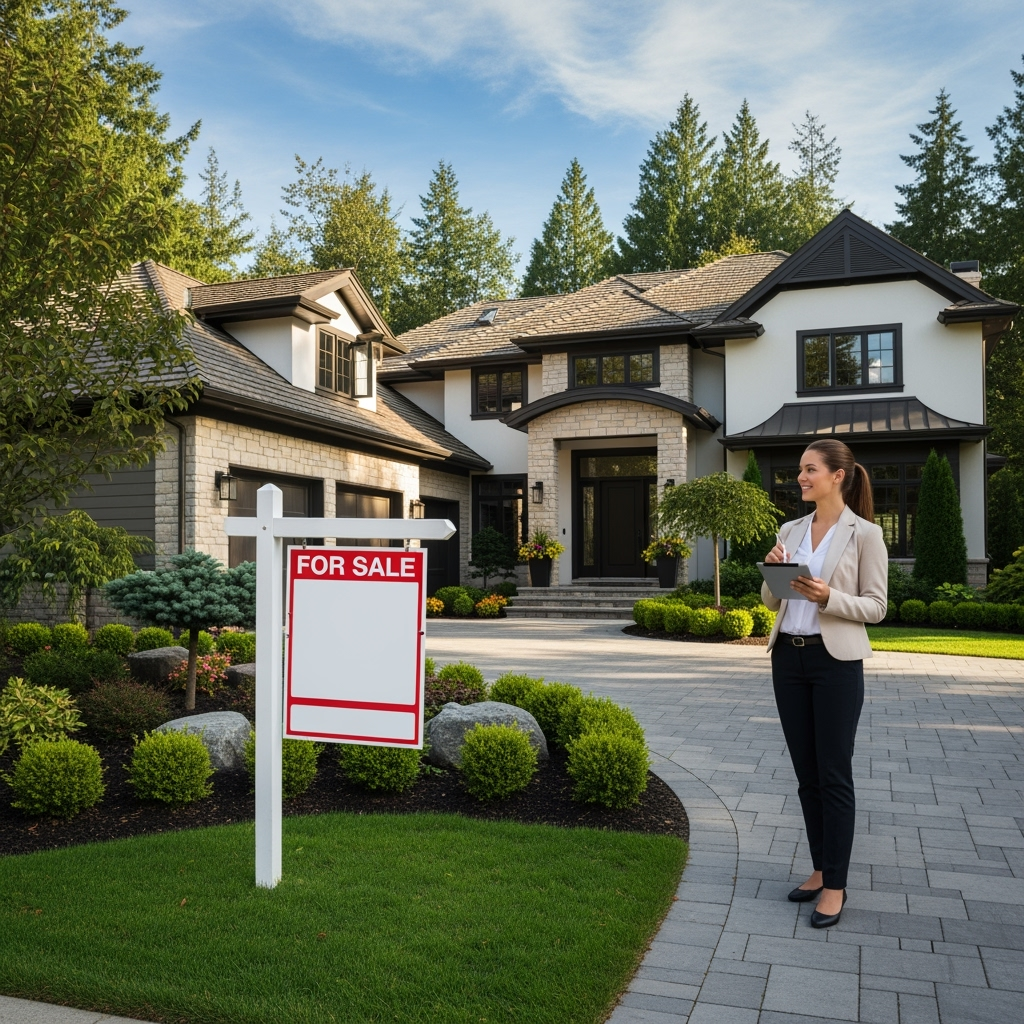
I remember the first time I drove through the area and felt how quickly this part of Austin was changing. If you’re hunting for homes for sale in Goodnight Ranch, you’re likely weighing lifestyle, commute, and long-term value, and that’s smart. For fast facts about the region and population trends, I often refer to the U.S. Census for a quick snapshot of local growth and demographics at https://www.census.gov.
Why buyers are choosing Goodnight Ranch
Goodnight Ranch has become a go-to for homebuyers who want new construction without losing the feel of Texas open space. In recent years, communities in this area have focused on creating neighborhoods with a balance of modern floor plans and outdoor amenities like walking trails, parks, and community gathering spaces. What stands out here is the mix of practical convenience and quieter suburban living—ideal for families, remote workers, and anyone looking to upgrade from a smaller home.
What kinds of homes you’ll find
This market tends to feature single-family homes across multiple floor plans and sizes. Expect options that range from efficient two-bedroom plans to larger four- or five-bedroom layouts with open kitchens and flex rooms that double as home offices. Builders often include design-forward features such as covered patios, energy-efficient appliances, and smart-home wiring packages to appeal to today’s buyer.
Common features in new builds
New homes in the area tend to emphasize low-maintenance living and modern finishes. Here are a few things to expect:
- Open-concept living areas with plenty of natural light
- Flexible rooms that serve as offices, playrooms, or guest bedrooms
- Energy-efficient windows, HVAC systems, and insulation that lower monthly costs
- Community amenities such as pools, parks, and scenic trails
Location and everyday life
Goodnight Ranch sits within easy reach of Austin’s northeast corridors and neighboring towns. Commuting to central parts of the city or to nearby employment hubs is practical for many residents, and nearby schools, shopping centers, and medical services make day-to-day life straightforward. If you like weekend hikes, local parks and bike-friendly streets are part of the appeal for families and active buyers.
Nearby neighborhoods and landmarks
When evaluating location, think about how each nearby community changes travel times and local conveniences. Neighborhoods and towns a short drive away can offer distinct advantages—different school zones, grocery options, and dining. Keep local lakes, parks, and major thoroughfares in mind when planning where to look first.
Price expectations and financing basics
Pricing in this submarket generally reflects the value of new construction: buyers pay a premium for modern finishes, energy savings, and builder warranties. Financing new homes follows the same steps as resale homes, but there are a few extras to consider: construction timelines, appraisal contingencies, and builder incentives that might affect your closing costs or upgrades.
Smart steps for financing a new home
- Get pre-approved to understand your maximum loan amount before you shop.
- Ask the builder about lender incentives and which upgrade allowances are negotiable.
- Factor in property taxes and HOA fees into your monthly budget.
- Plan for a final appraisal and walk-through before closing to avoid surprises.
How builders solve common buyer concerns
New-construction buyers often worry about timing, hidden costs, and long-term quality. Reputable builders address these concerns with clear timelines, published warranties, and transparent finish options. Here’s how they typically help buyers feel confident:
- Clear build calendars and milestone updates so buyers know when to expect each stage of construction.
- Standard warranty packages that cover major systems and structural elements for a defined period.
- Design centers where buyers can see, touch, and choose finishes rather than guessing from photos.
- Energy-efficiency reports or certifications that show expected utility performance.
Trends shaping new builds right now
Two major trends are shaping what buyers expect from new homes in Goodnight Ranch and similar communities. First, energy efficiency is a major selling point—buyers want lower utility bills and greener construction. Features like upgraded insulation, high-efficiency HVAC units, and LED lighting are increasingly standard. Second, flexible living spaces and smart-home integration remain popular as remote work stays common and household needs evolve. Builders are responding with layouts that accommodate a home office and wiring for high-speed internet connectivity.
How to shop for homes for sale in Goodnight Ranch like a pro
Searching for a new home should be methodical. I recommend these practical steps to make the process smooth and keep you confident from your first tour to closing day.
- Start with pre-approval and a clear budget so you can focus on homes in your realistic price range.
- Tour model homes to test layouts and finish quality. Bring a checklist so you compare features consistently.
- Ask about lot orientation and any planned community phases that could affect future views or traffic.
- Request a sample warranty and a list of included standard features versus optional upgrades.
Questions to ask during a tour
Bring questions that reveal long-term costs and flexibility. Ask about average utility costs for similar homes, whether the builder uses third-party inspections, and what the HOA covers. These details can affect your monthly budget and overall satisfaction for years.
Common buyer pain points and quick fixes
Buyers frequently tell me they worry about construction delays, cost overruns for upgrades, and uncertainty about school assignments. Here are practical ways to address each:
- Construction delays: Build extra time into your moving plan and request milestone reports from the builder to stay informed.
- Upgrade costs: Prioritize must-have upgrades and ask about monthly payment plans for discretionary options.
- School zones: Verify current school boundaries with the district since they can change as new developments open.
What resale value looks like
Homes in growing suburban communities often perform well in resale because buyers prize modern systems, energy efficiency, and community amenities. To protect resale value, focus on durable finishes, low-maintenance landscaping, and floor plans with flexible spaces that appeal to a broad market. Choosing a home on a prime lot—corner positioning, orientation toward open green space, or end-of-street privacy—can also help long-term value.
Local market timing and negotiation tips
Market timing matters. New construction can fluctuate with interest rates, lot availability, and demand. If inventory is tight, being flexible on move-in timelines or willing to accept a few minor upgrades included by the builder can help your offer stand out. Conversely, when inventory softens, you may have stronger leverage for upgrades or closing incentives. Always work with a real estate agent who has new-build experience in the city so you understand which concessions are reasonable.
Frequently asked questions
How long does it take to move into a new build?
Build timelines vary by the home’s stage and weather, but once construction starts, many homes move from foundation to completion in about four to six months. Spec homes ready for quick move-in are often shorter, while fully customized builds take longer. Always ask the builder for an estimated timeline and what factors might change it.
Are there additional fees beyond the home price?
Yes. Expect closing costs, potential HOA dues, and routine property taxes. If you choose many upgrades, those will add to the contract price. A transparent builder will provide a clear estimate of included items and optional upgrades so you can plan accordingly.
Can I tour a model even if I’m not ready to buy immediately?
Absolutely. Touring models is one of the best ways to learn what you like and what layout fits your lifestyle. It’s also a low-pressure way to gather brochures, floor plans, and pricing ranges so you’re prepared when the time comes to act.
Next steps for serious buyers
If you’re ready to dive deeper, I recommend scheduling model tours, gathering pre-approval from a lender experienced with new construction loans, and creating a list of must-haves versus nice-to-haves. Keep a running comparison of the floor plans you like and the trade-offs for each—lot size, ceiling height, proximity to community amenities, and potential future development around the site.
Buying new construction in this area can feel like a fresh start: modern features, community plans that support outdoor living, and neighborhoods designed with growth in mind. If you want guided help from a builder that specializes in these communities, visit Empire Homes to explore available plans and schedule a tour.