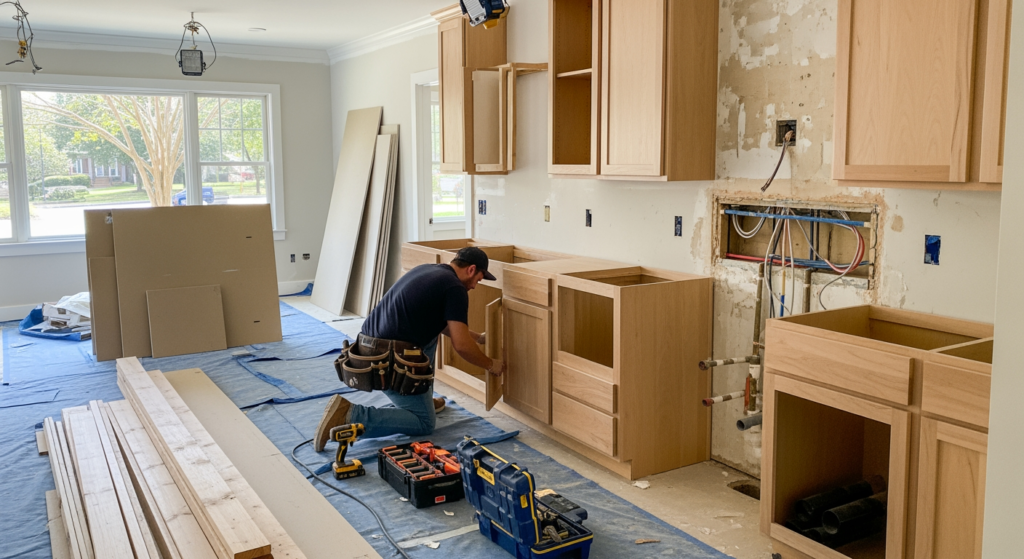
When you start planning a kitchen renovation Athens GA, it helps to have a clear roadmap. I’ve worked with homeowners across the city and seen the same questions, surprises, and payoffs over and over. For energy-smart ideas and appliance guidance, I often point people to trusted national resources like Energy Star to compare efficiency and long-term savings before they choose fixtures and appliances.
Why Athens homeowners are remodeling now
Renovation activity in this area has stayed steady as homeowners balance growing families, remote work needs, and a desire for higher-functioning, beautiful kitchens. Many of the older homes in downtown Athens and neighborhoods like Normaltown and Five Points were built with smaller, compartmentalized kitchens. Modern life favors open layouts, larger islands, and zones for cooking, working, and entertaining. Add in rising energy costs and interest in sustainable materials, and you have a strong motivation to update.
Top trends driving kitchen projects
Here are a few trends I see shaping most successful projects in Athens right now:
- Open-plan layouts that connect the kitchen to dining and living areas for better flow during gatherings.
- Energy-efficient appliances and LED lighting that reduce long-term utility costs.
- Durable, low-maintenance surfaces like quartz and engineered wood that fit active households and rental properties near the university.
- Smart kitchens with voice or app controls for lighting, faucet systems, and oven settings.
Setting a realistic budget for your project
Budgeting is the part homeowners dread, but it’s where clear decisions have the biggest impact. In this city, a light refresh—like new paint, cabinet refacing, and updated hardware—can cost considerably less than a full gut remodel that moves plumbing or changes the footprint. A full renovation that includes new cabinets, countertops, appliances, and flooring typically ranges widely depending on scope, but planning around tiers (refresh, mid-range, high-end) makes decisions easier.
Cost factors to consider
Expect cost differences based on these variables:
- Scope of work: cosmetic updates versus structural changes.
- Material selection: stock cabinets and laminate versus custom cabinetry and stone counters.
- Appliances: energy-efficient models can cost more up front but save over time.
- Labor: skilled carpentry and specialized trades for plumbing or electrical work affect the final price.
Planning and timeline: steps that save time and money
Successful projects start with planning. Here’s a practical sequence I use with clients to avoid costly delays and keep the build efficient:
- Define priorities: cooking needs, storage, seating, and accessibility.
- Establish a budget range and choose finishes that fit within it.
- Confirm structural constraints and any permit needs early with the city or county building department.
- Lock in a contractor and timeline before ordering long-lead items like custom cabinets or specialty appliances.
Permits and neighborhood considerations
Many Athens homes are older, and renovations that change plumbing, electrical, or structural elements commonly require permits. Permit review can add time, so factor that into your timeline. If you live in a historic part of the city, material and facade choices may be subject to review; discussing this during planning prevents surprises and helps maintain the neighborhood character you love.
Design choices that work well for Athens homes
I’m often asked which finishes and layouts suit the local lifestyle. Here are design choices I recommend that balance durability, aesthetics, and resale value in this market.
Layouts and flow
Open-concept kitchens remain popular, but in tight historic footprints I often recommend partial-open plans—like a pass-through, larger doorway, or a breakfast bar—to preserve character while improving flow. Islands provide workspace and social seating, but choose a size that fits the room so circulation isn’t blocked.
Cabinetry and storage
Custom or semi-custom cabinetry is a smart investment when you need to maximize storage or work around irregular walls and vintage features. Pull-out pantry shelves, deep drawers for pots, and designated appliance garages reduce countertop clutter and make small kitchens feel larger.
Countertops and floors
Quartz is a favorite because it’s low-maintenance and resists staining—helpful in busy households. For flooring, durable materials like luxury vinyl plank or engineered hardwood stand up to traffic and damp conditions better than traditional hardwood in kitchens with heavy use.
Energy efficiency and sustainability
Energy-efficient kitchens are more than a trend; they reduce operating costs and support sustainability goals. From ENERGY STAR-rated refrigerators to induction cooktops and LED lighting, the right choices can shrink monthly bills and make a measurable environmental difference. Many homeowners in the area are choosing efficient systems because they plan to live in their homes long-term or because they’re seeking stronger resale appeal to energy-conscious buyers.
Smart tech that pays off
Smart thermostats, sensor-activated faucets, and efficient ventilation can reduce wasted energy and improve indoor air quality—especially important in older homes. Consider pairing efficient appliances with proper insulation and carefully planned ventilation to maximize benefits.
Common challenges and how to avoid them
Renovations often encounter the same obstacles. Planning for these ahead of time reduces stress and cost overruns.
Hidden issues in older homes
When you open walls, you can find outdated wiring, uneven floors, or old plumbing that needs replacement. I recommend allocating a contingency (often 10–15% of the budget) for surprises. Early inspections and selective exploratory demolition can reveal costly items before they become emergencies.
Supply chain and lead times
Custom cabinets, specialty hardware, and certain appliances can have long lead times. Order early and keep clear communication with suppliers. If timelines are tight, choose stocked or semi-custom options that are available faster.
How to choose the right contractor in this area
Finding a trustworthy, experienced contractor is the most important decision you’ll make. I suggest these criteria when vetting professionals for a kitchen remodel in the city:
Look for contractors who have a strong local reputation, demonstrated experience with similar projects, and clear written contracts. Good contractors provide realistic timelines, a detailed scope of work, and references from recent projects in the same neighborhoods. Ask about communication style and how they handle unexpected issues so you understand the process from start to finish.
Questions to ask before hiring
When you interview contractors, bring specific questions about previous projects, insurance and licensing, warranty coverage, and how change orders are handled. Request a timeline with milestones and a payment schedule tied to those milestones rather than open-ended deposits. This protects both you and the contractor and keeps the project moving.
Value-boosting upgrades with strong ROI
Certain upgrades consistently return value at sale time and improve daily life now. Prioritize these if you’re trying to balance enjoyment with investment:
- Energy-efficient appliances and good ventilation to improve comfort and lower bills.
- Durable countertops and cabinetry for low maintenance and long-term wear.
- An island or additional workspace that increases usability and social space.
- Quality lighting that layers task, ambient, and accent sources to enhance function and mood.
Practical timeline: from concept to cooking
Every project is different, but here’s a practical timeline to help set expectations: design and decisions (2–6 weeks), permitting and ordering (2–8 weeks depending on items), demolition and rough-in (1–3 weeks), installation and finishes (2–6 weeks), final inspections and punch list (1–2 weeks). Communicate frequently with your contractor and plan for some flexibility in case of permit delays or supply issues.
Local examples and neighborhood fit
Homes in Boulevard and the Hill area tend to favor classic details with modern updates—mixing shaker-style cabinetry with contemporary hardware and efficient appliances. In newer developments near Gaines School Road, homeowners often select open islands and integrated storage to fit family activity zones. When planning, think about how the kitchen should feel in the context of the whole house and the block it sits on.
Final checklist before you start
Use this checklist to confirm readiness before demolition day:
- Budget and contingency established and approved.
- Design selections finalized for major items (cabinets, countertops, appliances, flooring).
- Permits applied for or confirmed if required by the county.
- Contractor agreement signed with a clear timeline and payment schedule.
Renovating your kitchen in Athens GA is a big decision, but with thoughtful planning, attention to energy-efficient choices, and a partner who understands local homes and timelines, it becomes an exciting transformation. If you want help translating ideas into a realistic plan that fits your home and neighborhood, I can walk you through the steps, avoid common surprises, and help prioritize what will matter most to your daily life and long-term value.
When you’re ready to move forward, I recommend connecting with a local professional who can provide a tailored estimate and timeline. For dependable, local kitchen remodeling and custom carpentry, consider contacting Tipton’s Fine Tuned Carpentry to discuss your project and get a clear plan for your Athens home.