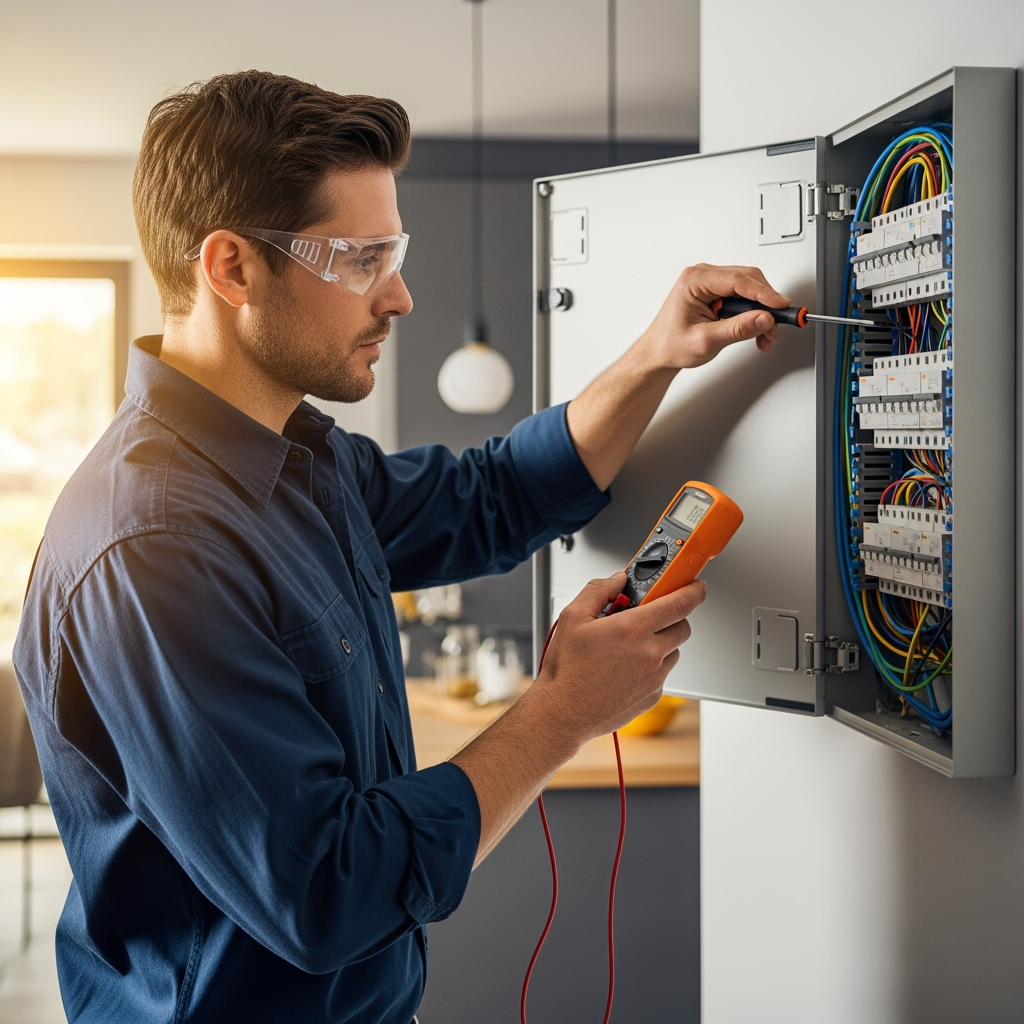
I live and work in this area, and I know how quickly a small electrical issue can turn into a major headache. If you need reliable electrical services in San Antonio, TX, I’ll walk you through what to look for, when to call an expert, and how to protect your home or business. For up-to-date local information about permits and city requirements, check the City of San Antonio official site at sanantonio.gov.
Why local electrical repair matters more than you might think
Living in San Antonio means dealing with everything from summer storms and high humidity to old wiring in historic neighborhoods. Electrical issues are not just inconvenient; they’re safety risks. Faulty wiring can cause fires, damaged electronics, and injury. Having access to a skilled electrician who knows local codes, weather impacts, and neighborhood wiring quirks makes all the difference.
Common electrical problems I see around the city
Over the years I’ve helped homeowners and business owners prioritize repairs. Here are typical issues that prompt a service call in this city and nearby neighborhoods like Alamo Heights, Stone Oak, the Pearl District, and the Southside.
- Frequent breaker trips or a hot electrical panel signaling overloaded circuits or a failing breaker.
- Flickering lights, which can mean loose connections, voltage fluctuations, or aging wiring.
- Outlets that don’t work or feel warm to the touch, often a sign of worn wiring or poor connections.
- Outdated panels that can’t handle modern loads, especially when installing EV chargers, new HVAC, or kitchen appliances.
Trends shaping electrical work right now
Two trends are changing how I recommend planning electrical upgrades. First, the rise of electric vehicles has driven demand for level 2 home chargers. Many newer houses weren’t wired for the extra load, so panel upgrades are a frequent prerequisite. Second, smart home technology and energy-efficient systems are everywhere. Homeowners want integrated lighting, smart breakers, and whole-home surge protection to protect sensitive devices. These trends mean electricians now need both traditional wiring skills and knowledge of modern systems.
Why these trends matter locally
San Antonio homeowners are investing in upgrades as property values rise and energy costs fluctuate. Every neighborhood has different wiring vintages and styles, so local electricians who understand municipal permitting and utility coordination save time and money. When you factor in frequent summer storms, surge protection and proper grounding become even more important.
How to tell if an electrical problem is an emergency
Not every electrical issue requires an emergency technician, but some do. I recommend calling an emergency electrician right away if you encounter any of the following:
- Sparks, smoke, or a burning smell coming from an outlet, switch, or appliance.
- Loss of power to an entire room or repeated trips that won’t reset.
- Exposed wiring after a storm or construction work.
- Shocks or tingling when touching switches, outlets, or metal fixtures.
If you see signs of fire or smell burning, prioritize safety: get everyone out and call emergency services. After the immediate danger is addressed, a qualified electrician can inspect damage and make repairs safely.
Questions I always ask before hiring an electrician
Choosing the right professional is about competence and fit. When I evaluate electricians, I ask a few clear questions to make sure they match the scope of work and local requirements.
- Are you licensed and insured to do electrical work in San Antonio? Proper licensing shows they understand local codes.
- Do you offer a written estimate and explain materials and labor separately? Transparency helps avoid surprises.
- What experience do you have with similar projects such as EV charger installation, panel upgrades, or commercial retrofits?
- Do you handle permits and inspections, or will I be responsible for that coordination?
What a smart inspection covers
An effective electrical inspection is more than flipping breakers. Here’s what I expect an electrician to check when they inspect a home or business:
First, they should assess the main panel, breakers, and visible wiring for signs of overheating, corrosion, or improper modifications. Next, testing outlets and GFCI/AFCI devices is essential for safety. Older homes often need knob-and-tube or aluminum wiring evaluation and, if necessary, a plan for safe replacement. For businesses, an electrician should evaluate load balancing and emergency circuits to ensure continuity of operations.
How to prioritize electrical upgrades
Deciding what to repair or replace first depends on risk, cost, and how you use the property. I use three priorities when advising clients: safety, code compliance, and future capacity.
For safety, address hot outlets, burning odors, and exposed wiring immediately. For code compliance, bring older panels and improper modifications up to local standards. For future capacity, plan panel upgrades if you’re adding EV charging, a major appliance, or a home addition. This staged approach helps manage budgets while reducing risk.
Costs you can expect and ways to save
Prices vary with scope, but here are ballpark ideas to help you plan. A basic outlet repair or replacing a receptacle might be a small service call. Rewiring a single circuit or replacing a breaker is mid-range. A full panel replacement, whole-house rewiring, or commercial upgrades can be a larger investment. Always get several quotes and ask for itemized estimates.
You can save money by bundling related work, scheduling during slower seasons, or asking about local incentives. Sometimes utility companies or city programs offer rebates for energy upgrades or EV charging infrastructure, so it’s worth asking an electrician about those options when planning larger projects.
DIY versus professional work
I support homeowners learning about basic safety, but electrical work is uniquely risky. Simple tasks like changing a light fixture or replacing a switch can be safe if you turn off power and follow instructions, however, anything involving panels, circuit alterations, or outlet wiring should be handled by a licensed professional. Poor DIY repairs can fail inspections, void insurance, and create fire hazards.
How I approach a typical service call in the city
When I schedule a visit for a friend or client in this area, I follow a clear process to save time and ensure quality. First, I confirm the scope over the phone and provide a transparent estimate. On-site, I perform a thorough inspection and explain findings in plain language, showing photos when useful. If immediate repairs are required for safety, I handle them quickly and follow up with a plan for long-term fixes. I also make sure permits are pulled if the work needs municipal approval.
Key steps I recommend you take after a repair
After any electrical repair, ask for documentation and warranties. Good electricians provide a written summary of what was done, parts used, and safety tests performed. This paperwork is valuable for resale, insurance, and future maintenance planning. Keep track of upgrade dates, especially for panels and safety devices like AFCIs and GFCIs.
Neighborhood-specific tips
San Antonio’s housing stock ranges from historic homes downtown to new builds on the north side. If you live in an older neighborhood like King William or Beacon Hill, expect to address legacy wiring and knob-and-tube systems. In newer subdivisions and areas like Stone Oak, the focus is often on capacity upgrades for EVs and smart systems. For commercial districts near the Pearl or the Medical Center, prioritize uptime and emergency circuits so businesses stay open during repairs.
How to evaluate an estimate and avoid surprises
Reading estimates carefully helps you avoid common pitfalls. Make sure the quote includes labor, parts, permit fees, and whether the electrician will coordinate inspections. Ask about timelines and what could change the price. A fair contractor will explain contingencies and not pressure you into unneeded work.
Preventive maintenance that saves money long term
Regular maintenance reduces risk and extends the life of your electrical system. I recommend simple annual checks and a deeper inspection every 5 to 10 years depending on the age of the home. Preventive steps include testing GFCIs, checking for loose connections, inspecting the main panel for corrosion or heat damage, and ensuring outdoor circuits are weatherproofed.
Final thoughts and next steps
Finding trustworthy electrical services in this city is about asking the right questions, prioritizing safety, and planning for future needs like EV charging and smart home upgrades. If you’re unsure how urgent a problem is, err on the side of caution and get a licensed electrician to inspect it. When you choose someone local who knows San Antonio codes and neighborhoods, you get faster service, fewer surprises, and better long-term results.
If you’re ready to schedule an inspection or need help with a repair, contact Bolt Electric SA for expert electrical service in San Antonio.